
Strokes are a leading cause of death and long-term disability in adults in the United States. A stroke can happen to anyone at any time, regardless of race, gender, or age. Women experience more strokes over their lifetimes than men, partly because they tend to live longer. Non-Hispanic Black adults are nearly twice as likely to have a first stroke compared with white adults. Stroke risk also increases with age, but younger adults and children can have strokes, too.
Recognizing the signs of a stroke and seeking medical care right away can make a meaningful difference in survival and long-term health. Early treatment gives a person the best chance for recovery and can help reduce the impact of a stroke on daily life. Experts estimate that nearly 2 million brain cells are lost every minute a stroke goes untreated. Acting quickly is one of the most important steps you can take.
The American Stroke Association recommends using the acronym B.E. F.A.S.T. to help remember and recognize stroke warning signs and to act fast.
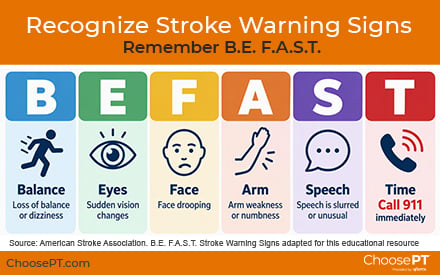
B = Balance loss
Has the person suddenly lost their balance or coordination? Are they having trouble walking or experiencing sudden dizziness?
E = Eye changes
Is there sudden blurry vision, double vision, or trouble seeing in one or both eyes?
F = Face Drooping
Ask the person to smile. Does one side of their face droop? Is their smile uneven?
A = Arm Weakness
Ask the person to raise both arms. Does one arm drift downward? Is one arm weak or numb?
S = Speech Difficulty
Ask the person to repeat a simple sentence. Is their speech slurred, unusual, or hard to understand?
T = Time to Call 911
If you notice any of these warning signs, call 911 immediately (and note the time), even if the symptoms seem to go away. Emergency medical services can begin treatment on the way to the hospital. They can also alert the stroke team before arrival.
If You Think Someone Is Having a Stroke
Every minute counts during a stroke. Calling 9-1-1 is the fastest way to get emergency care started. Patients who arrive by ambulance often receive stroke treatment faster than those who travel to the hospital by car, according to research.
Clot-busting medication given in the emergency room can help reduce the effects of an ischemic stroke (caused by a blocked blood vessel in the brain) and improve recovery. These medications work best when given as soon as possible after symptoms begin. For many eligible patients, they can be given within 4.5 hours of symptom onset.
Recognizing a stroke and helping someone get fast treatment can help reduce disability and give them the best opportunity to return to the activities that matter most.
After a Stroke
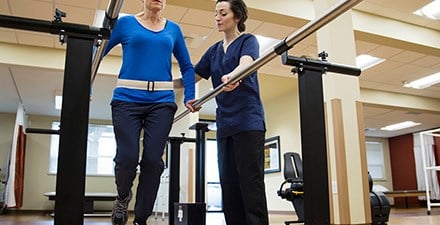
While emergency treatment is the first step after a stroke, recovery often continues long after a person leaves the hospital. For many stroke survivors, the next step after emergency treatment is rehabilitation. Physical therapy is often an important part of that recovery process. It may even begin while they're still in the hospital. After discharge, some people continue physical therapy in a rehabilitation facility, an outpatient clinic, or at home.
Starting rehabilitation early after a stroke can help improve movement, increase independence, and support recovery of everyday activities.
How Can a Physical Therapist Help After a Stroke?
A stroke can affect strength, balance, walking, coordination, and the ability to perform everyday activities. Physical therapists are movement experts who work with stroke survivors to help them regain mobility and independence.
Physical therapy treatment is tailored to each person's needs and goals. It may include:
- Exercises to improve strength, endurance, and movement.
- Balance and walking training to improve safety and reduce fall risk.
- Practice with everyday movements such as getting in and out of a chair, climbing stairs, or moving around the home.
- Education for patients and caregivers about safe mobility and returning to daily activities.
A physical therapist can also help people build confidence, improve function, and work toward returning to the activities that are most important to them.
Knowing the B.E. F.A.S.T. warning signs and sharing them with family and friends can help save a life. If you suspect a stroke, do not wait to see if symptoms improve. Call 911 right away. Fast recognition and treatment can reduce disability and improve recovery. After emergency care, rehabilitation, including physical therapy, can help many people return to the activities that matter most to them.
You can contact a physical therapist directly for an evaluation. To find a physical therapist in your area, visit Find a PT.
Learn more about the role of physical therapy in treating patients who have experienced a stroke. And visit our health center on stroke for additional resources.