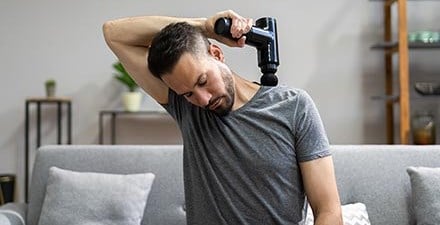
Ever notice that your back starts hurting after a weekend of decorating, or your shoulders ache after wrapping gifts and carrying boxes? Holiday aches and pains are common because many seasonal activities ask your body to do more than it's used to doing.
While the holidays often bring joyful traditions, family gatherings, and more activity, they can bring aches and pains that seem to appear out of nowhere.
Whether you're decorating your home, cooking large meals, carrying boxes, shopping, wrapping gifts, traveling, or hosting guests, the holiday season often asks your body to do more than usual. More time on your feet, heavy lifting, awkward positions, and busy schedules you're not used to can add up quickly. When your body doesn't have enough time to recover, soreness, stiffness, fatigue, and even injuries can develop during the holidays or even after the rush has passed.
The good news is that a few simple strategies can help you manage holiday-related fatigue, reduce your risk of injury, and recover more comfortably if soreness develops.
Why Do Holiday Aches and Pains Happen?
During the holiday season, you may pack a variety of activities into a short period. Less sleep, more stress, and packed schedules can leave you less able to recover from activity. When you're tired, your body may not recover as efficiently between activities, which can contribute to muscle tightness, joint stiffness, soreness, and an increased risk of injury.
Examples of holiday activities that may increase the physical demands on your body include:
- Standing for long periods while cooking and preparing meals.
- Carrying heavy boxes of decorations from storage.
- Spending hours shopping, walking, or standing.
- Reaching overhead to decorate trees, hang lights, or place decorations.
- Bending forward while wrapping gifts.
- Repeated lifting, carrying, and cleaning while hosting guests.
- Long periods of sitting during holiday travel.
These changes in activity may lead to a variety of symptoms, including:
- Muscle soreness, stiffness, or achy joints after increased activity or spending long periods in one position.
- Fatigue that makes everyday activities feel more difficult.
- Muscle strains or other injuries from a single demanding task.
- Injuries that can develop when physical demands repeatedly exceed the body's ability to recover.
Some aches and pains occur during a single activity, while others develop gradually over days or weeks. Because symptoms can build slowly, you may not notice them until the holiday rush slows down and you return to your usual routine.
Sometimes symptoms appear suddenly, even though your body has been adapting to minor discomfort for days or weeks. This can happen because, without realizing it, we often adjust how we move to work around it. For example, we may shift our weight, favor one side of the body, or modify how we do certain tasks. These adjustments may provide temporary relief, but they can also mask developing symptoms and place additional stress on other muscles and joints, contributing to soreness and stiffness elsewhere. By the time the holiday rush slows down, those small issues may have developed into more noticeable pain or stiffness.
Pay attention to early warning signs such as increasing soreness, unusual fatigue, stiffness that lasts into the next day, or discomfort that changes the way you move. These can be signals that your body needs a break, a change in activity, or more recovery time.
Tips to Prevent Holiday Aches and Pains
These tips can help you get your decorating, wrapping, cooking, or other chores done while protecting your body so the holidays don't leave you sore and wiped out.
Change Positions and Activities Throughout the Day
Holiday tasks often involve long periods of standing, sitting, reaching, lifting, or carrying. Rather than trying to finish everything at once, look for opportunities to alternate activities and change positions throughout the day.
For example, if you've been standing in the kitchen preparing meals, take a break to sit and review your shopping list. If you've been wrapping gifts while sitting, get up and take a short walk around the house. If you start to notice fatigue or soreness during a specific activity, consider switching to a different task or changing positions. This can help reduce stiffness, manage fatigue, and distribute physical demands across different parts of the body.
Long car rides and holiday travel can also contribute to stiffness and fatigue. If possible, take breaks to stand, walk, and stretch. Small adjustments to your seating position, lumbar support, or distance from the steering wheel may also help improve comfort during long trips.
Pace Yourself
It can be tempting to tackle all of your holiday chores in a single day or weekend. When possible, spread larger tasks across several days and allow yourself time to rest between physically demanding activities.
Try to complete more challenging tasks before fatigue sets in. Carrying boxes from storage, moving furniture, climbing ladders, and setting up decorations often require strength, balance, coordination, and concentration. As you become tired, these activities may feel more difficult and place greater stress on your body.
Use Smart Movement Strategies
When moving decorations, gifts, or storage bins:
- Bend at your hips and knees rather than rounding your back.
- Hold items close to your body while carrying them.
- Turn with your feet instead of twisting through your spine.
- Ask for help with heavy or awkward objects.
- Divide large loads and make trips with smaller amounts when possible.
These simple strategies can help reduce unnecessary strain during physically demanding tasks.
Decorate Safely
Holiday decorating often involves reaching, climbing, and working in awkward positions.
Avoid overreaching when using a ladder. Keep your body centered between the side rails and climb down to reposition the ladder rather than stretching farther than is comfortable. If possible, have another person nearby when working on elevated surfaces.
It can also help to alternate decorating tasks. For example, switch between overhead activities, carrying decorations, and lighter tasks to avoid spending long periods in the same position.
Prioritize Recovery Habits
Holiday schedules often leave less time for sleep, hydration, and regular meals. However, these habits help your body recover from the increased physical demands of the season.
Try to:
- Maintain a consistent sleep schedule when possible.
- Stay hydrated throughout the day.
- Avoid skipping meals during busy periods.
When you're well-rested and properly fueled, your body is better able to tolerate and recover from holiday activities.
Recovering After the Holiday Rush
Even with the best planning, it's common to feel some soreness or fatigue after a busy holiday season. After several busy days or weeks, your first instinct may be to rest as much as possible. However, complete inactivity can sometimes leave you feeling even stiffer. Gentle movement increases blood flow and can help reduce stiffness while supporting recovery.
A short walk, gentle stretching, or other light activity may help reduce stiffness and get you moving more comfortably again.
The goal is not to stop moving. Instead, think about what your body did most during the holiday season and choose activities that challenge it differently. For example:
- If you've spent days on your feet cooking, shopping, or hosting guests, try an activity that gives your joints a break, such as walking, cycling, swimming, yoga, or gentle stretching.
- If you've spent hours sitting in a car or airplane, get up and move. Walking, hiking, or other upright activities can help ease stiffness and restore mobility.
- If a particular area feels especially tired or sore, give it a chance to recover by temporarily reducing activities that worsen your symptoms.
When Should You See a Physical Therapist?
Consider seeing a physical therapist if:
- Pain, soreness, or stiffness is not improving or continues to limit your daily activities after a week or two.
- Symptoms are affecting your ability to work or do daily activities.
- Walking, standing, lifting, reaching, or other routine tasks have become difficult.
- You are unsure what activity is contributing to your symptoms.
A physical therapist can help identify any factors that may be contributing to your symptoms. They will assess your strength, mobility, balance, and movement patterns, and create a personalized plan to reduce pain and improve function. They can also recommend exercises, recovery strategies, and ways to modify activities so you can return to the things you enjoy with greater comfort and confidence.
Bottom line: Holiday aches and pains don't always stem from a single activity. They often develop when busy schedules, increased physical demands, and fatigue add up over time. Taking breaks, changing positions, staying active, and prioritizing recovery can help you feel your best throughout the season.
If holiday aches and pains aren't improving or are interfering with your daily activities, a physical therapist can help you address the problem before it gets worse or leads to injury.
Physical therapists are movement experts who personalize treatment to each individual. They help people reduce pain, improve mobility and function, and stay active through hands-on care, education, and tailored exercises. They also help prevent injuries and support long-term health and independence. You can see a physical therapist directly without a physician referral.* The Find a PT directory can help you locate a physical therapist near you.
*Certain insurance plans may still require a referral. Some states may limit the type or duration of treatment without one.