Recovery for people with cardiovascular (heart) disease or after a cardiac event doesn’t end when you leave the hospital. Outpatient rehabilitation is a critical next step. It helps people with heart disease or who have had an event, such as a heart attack, bypass surgery, or other heart procedures, return to daily life safely. It also helps them build habits to support long-term health.
Physical therapists are an essential part of this recovery process. They help people exercise safely, regain strength, and return to daily activities. Physical therapy also helps improve quality of life and reduces the risk of future heart problems.
Including a physical therapist in your recovery plan has many benefits.
1. PTs Design Safe Exercise Plans
Exercise is a key part of heart rehab — but it must be done safely. Physical therapists design and guide personalized exercise programs based on your health, medical history, and your goals for returning to the activities you enjoy.
Physical therapists:
- Evaluate what you can safely do at the start
- Monitor how your heart and body respond to exercise
- Adjust your program as you improve
- Help you make steady, safe progress
Their expertise helps you:
- Avoid doing too much too soon
- Reduce the risk of injury or complications
- Lower the chance of another heart event
- Build healthier habits for life
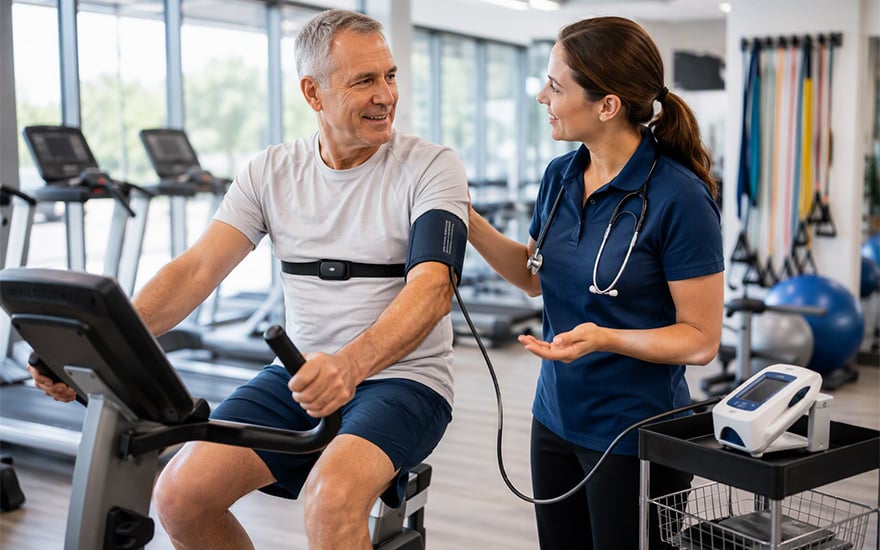
Physical therapists are licensed healthcare providers. During sessions for heart patients, they monitor your heart rate, blood pressure, and symptoms. They also update the other members of your care team and coordinate additional care when needed.
While exercise is central to recovery, physical therapy goes far beyond safe exercise programs. These additional benefits help you recover safely and restore your quality of life.
2. PTs Help You Understand Your Condition
After a heart event, many people often feel unsure about becoming active again. They may worry that exercise is unsafe or be unsure where to start. They may also fear that any stress on their heart could trigger another event.
With a physical therapist on your team, you're not in this alone. Physical therapists help you understand your condition and how to return to activity safely. They will also:
- Explain how your condition affects your body
- Address any fears and correct common myths about exercising
- Advise you on what activities are safe and how to make progress slowly
- Teach you how to spot warning signs and what to do
- Provide strategies for managing your health after your formal program is complete
Your physical therapist will help you set realistic goals, track progress, gain confidence, and stay motivated for lasting lifestyle improvements.
3. PTs Help You Manage Other Conditions
Many people with heart disease also have other conditions that can make recovery harder. Physical therapists can also help you manage conditions such as:
- Diabetes
- Obesity
- Arthritis (Osteoarthritis or rheumatoid arthritis)
- Lung disease (such as COPD)
- And many others (see our A to Z list of symptoms and conditions PTs treat)
Physical therapists understand how these conditions affect movement and daily life and adjust your treatment plan to keep it safe and effective. They also work with other health professionals to support your overall care. These may include dietitians, nurses, counselors, social workers, and physicians.
4. PTs Help You Improve How You Function
A key goal of physical therapy is to help you return to your daily activities. This is called functional improvement.
Your physical therapist will help you improve your movement, balance, strength, and endurance so you can return to work, hobbies, sports, and social activities. Physical therapists consider how your condition affects your whole life, and help you overcome limits, adapt, and regain independence. This approach also supports mental health and improves overall well-being.
5. Physical Therapy Results in Better Outcomes
The evidence is clear. For people with heart conditions, outpatient rehab – especially when guided by a skilled physical therapist – leads to stronger recovery. People who work with a physical therapist:
- Are less likely to return to the hospital
- Have a lower risk of death
- Can stay longer without getting tired (improved exercise tolerance)
- Experience a better quality of life.
Physical therapists are licensed healthcare providers with expertise in movement and cardiac recovery. They help people reduce pain, move better, and stay active through hands-on care, education, and exercises tailored to their needs. They also work with people to prevent injury and support long-term health and performance.
You may receive treatment in a local outpatient clinic, hospital outpatient center, or at home as you transition back to your normal routine. Wherever you receive care, physical therapy helps you build strength and confidence, bridges the gap between the hospital and community programs, and helps you get back to do doing what you enjoy.
The importance of physical therapy for heart recovery cannot be overstated. It is personalized care that promotes optimal recovery by helping you overcome challenges, improve movement, and stay active. Physical therapy not only helps you survive – it helps you regain independence and get back to feeling and living well.
You can see a physical therapist directly – no referral needed – for an evaluation and a personalized treatment.* To find a physical therapist in your area, visit Find a PT.
*Your insurance plan may still require a referral. In some states, there may be limits on how long or what type of care you can receive without one.