Barefoot-style shoes, also called natural or minimal shoes, have become more popular as people look for footwear that allows their feet to move more naturally. They may also help strengthen the muscles in your feet.
If you’re thinking about making the switch, it’s important to know that your feet and legs may need time to adjust. Most modern walking and running shoes include features that help absorb impact, stabilize the foot, and control movement. After years of wearing shoes with these features, your feet have adapted to them. Switching too quickly into minimal footwear, especially for exercise, may increase your risk of injury.
A physical therapist can help you determine whether minimal shoes are a good fit for your body, identify potential risk factors, and create a safe transition plan based on your strength, flexibility, walking pattern, and activity goals.
Common Footwear Features
Most of today's athletic footwear includes one or more of the following features:
Cushioning (Stack Height). Cushioning helps absorb impact when your foot hits the ground. It may also reduce muscle fatigue. Stack height refers to the thickness of the material (or cushioning) between your foot and the ground. Shoes with a higher stack height often feel softer.
Heel drop. Heel drop is the difference in height between the heel and the front of the shoe. It influences how much work your calf muscles and Achilles tendon do when you walk or run. Traditional running shoes often have a high heel drop of 8 to 12 mm, while many minimal shoes have a heel drop close to zero. Shoes also come in medium (5-8 mm) and low (0-4 mm) heel drop.
Shoes with lower heel drop place more demand on the calf muscles and Achilles tendon.
Heel counter. The heel counter is the firm structure around the back of the shoe. It helps guide heel movement and may reduce the chance of your ankle rolling inward or outward.
Motion control features. Pronation is the natural inward roll or motion of the foot during walking or running. Some people roll too far inward, which is called overpronation. Overpronation may increase stress on certain muscles, tendons, and joints, potentially increasing the risk of injury.
Shoes vary in how much they guide or support foot motion:
- Neutral shoes are designed for people with typical foot pronation.
- Guidance shoes provide mild support for slight overpronation.
- Stability shoes offer moderate support for overpronation.
- Motion-control shoes provide the highest level of support for significant overpronation.
For many people, traditional athletic shoes remain a safe and effective choice. Their cushioning and support features are designed to improve comfort and help manage stress on the body. A physical therapist can help you determine whether you may benefit from additional support or motion control features.
What Makes Minimal Shoes Different?
Minimal shoes are designed to allow as much natural foot movement as possible. They typically include:
- Little to no cushioning (low stack height)
- Zero or very low heel drop
- Flexible soles
- A wide toe box
- Lightweight materials
- No stability or motion-control features
Because minimal shoes provide less support and cushioning, the muscles, tendons, and joints in your feet and legs must do more work to absorb impact and control movement than when wearing traditional shoes. This is one reason why a gradual transition from traditional to minimal shoes is important.
Tips for Transitioning to Minimal Shoes
If you're interested in trying minimal shoes, a gradual transition is the safest approach. If you have a history of foot pain or know you overpronate, consult an orthopedic or sports physical therapist before changing footwear. These tips can help you safely transition to minimal shoes:
- Build strength first. Strengthening your feet, calves, and hips can help prepare your body for wearing less supportive shoes.
- Improve calf flexibility. Good calf flexibility reduces strain on the calf muscles and Achilles tendon, and can help you adjust to the increased stress placed on them with a lower heel drop.
- Start slowly. Begin by wearing your new shoes for short periods, such as 10 to 15 minutes at a time. Pay attention to how your feet and calves feel later that day and the next morning.
- Alternate footwear. Continue wearing your current shoes while your body adjusts. Gradually increase the amount of time you spend in your minimal shoes each day.
- Avoid a drastic change in heel drop. Know your heel drop starting point. For example, if your current shoes have a 12 mm heel drop, consider moving first to an 8 mm heel drop before trying shoes with an even lower heel drop. Too much change too quickly can strain the calf and lead to injury.
- Let comfort guide you. Your body’s feedback matters. It is one of the best indicators of whether a shoe is right for you. A shoe that feels comfortable and supports your activity level is often a good choice.
- Understand stack heigh (cushioning). Minimal shoes vary widely. Some have almost no cushioning, while others may have up to 24 mm of stack height. In general, lower stack heights provide a more barefoot-like feel.
Is a Minimal Shoe Right for You?
With proper preparation and a gradual transition, minimal shoes can be safe and comfortable for many people. However, no single shoe type is best for everyone.
It can be helpful to choose footwear based on your activity and how your body feels. For example, minimal shoes work well for short walks, errands, strength training, or everyday activities. They may be less comfortable for long days of sightseeing, standing on hard surfaces, or sudden increases in walking distance and frequency.
The best shoe is often one that matches your body, activities, and goals. A physical therapist can help you determine whether minimal shoes are likely to be a good option for you and guide a safe transition if you decide to make the switch.
How Can a Physical Therapist Help?
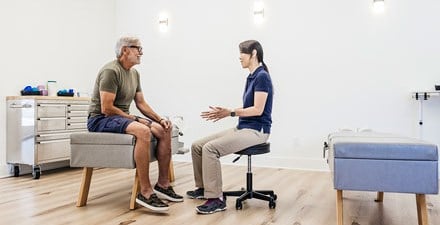
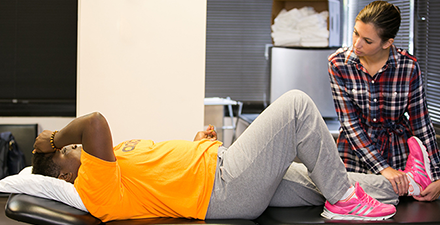
A physical therapist can evaluate how your body moves and help determine whether minimal shoes are a good fit for your needs, goals, and activities. They can:
- Assess your foot and ankle strength
- Measure calf flexibility and Achilles tendon mobility
- Evaluate your balance and walking mechanics
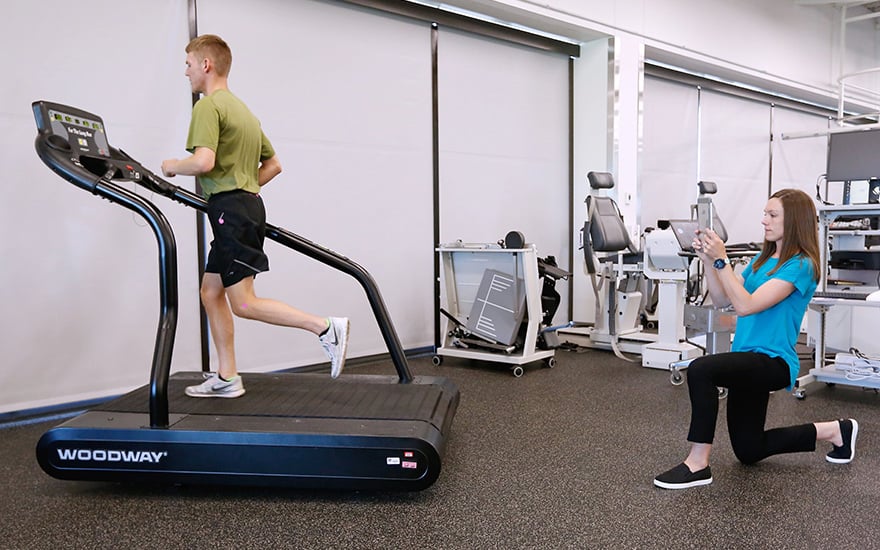
- Analyze your running form, if you run
- Identify movement patterns that may increase your risk for injury
- Recommend the shoe features that best match your body and activity goals
- Design a gradual transition plan to help you adapt safely
- Teach you exercises to prepare your feet and legs for the increased demands of minimal footwear
During a visit, your physical therapist may watch you walk, balance, squat, or run to see how your body moves. They may also assess your strength, flexibility, and foot mobility. Based on those findings, they can recommend exercises to improve foot and ankle strength, calf flexibility, balance, and movement control, helping prepare your body for the demands of minimal footwear. If you decide to transition to minimal shoes, they can help you progress safely while reducing your risk of injury. Seeing a physical therapist before symptoms develop may help identify risk factors and prevent problems before they start.
It is especially helpful to check in with a physical therapist before changing footwear if you:
- Have a history of foot or ankle pain
- Have experienced Achilles tendon problems
- Know that you overpronate
- Are returning to activity after injury
- Are unsure which shoe features are best for your goals and lifestyle
Whether you're curious about minimal shoes or ready to make the switch, a physical therapist can help you make an informed choice and transition safely.
Physical therapists are movement experts who help people stay active and reduce the risk of injury. They can identify factors that may affect your transition to minimal shoes and create a personalized plan based on your strength, flexibility, movement patterns, and goals.
You can see a physical therapist directly without a physician referral.* The Find a PT directory, provided by the American Physical Therapy Association, can help you locate a physical therapist near you.
*A referral may still be required by certain insurance plans (some states may limit the type or duration of treatment without a referral).