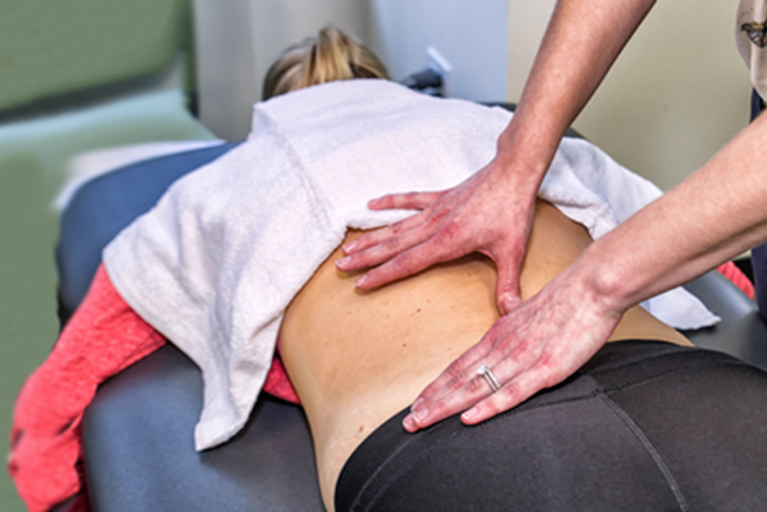

Low back pain is common. Up to 80% of adults experience low back pain at some point in their lives.
Unfortunately, studies show that many people with low back pain don't get treatment that aligns with best evidence-based practices.
Here are 5 common myths associated with low back pain:
Myth 1: Spinal manipulation (mobilizing the joints in the spine) is the best method for treating low back pain.
Research shows that spinal manipulation provides benefits similar to those of exercise. Exercise is a key part of care, helping improve strength, mobility, and long-term function.
Myth 2: Ultrasound and electrical stimulation are proven to aid recovery from low back pain.
Research shows that ultrasound and electrical stimulation provide limited to no meaningful long-term benefits for low back pain. While these passive treatments may offer short-term relief for some people, active approaches like exercise play a more important role in improving recovery and long-term function.
Myth 3: Low back pain is caused by inflammation.
Inflammation does occur in certain conditions, and may be present when low back pain is acute. However, mechanical low back pain (pain that relates to how the spine and surrounding muscles move) is more common. Pain itself is complex and influenced by many factors, not just tissue injury. This is why active treatments, which gradually expose you to movement-based care and exercise, are effective.
Myth 4: Low back pain is caused by arthritis.
Arthritis and age-related changes in the spine are very common, especially as we get older. In fact, studies show that many people have these changes on imaging, even if they have no pain at all. While arthritis is associated with aging, it is not always the cause of low back pain.
Myth 5: You should rest and avoid or stop activity if you are experiencing low back pain.
Prolonged rest can delay recovery. Staying active and gradually returning to movement and exercise helps reduce stiffness and pain, improve function, and support recovery.
If low back pain keeps you from moving and enjoying life, a physical therapist can help.
Physical therapists are movement experts. They improve quality of life through hands-on care, patient education, and prescribed movement. You can contact a physical therapist directly for an evaluation. To find a physical therapist in your area, visit Find a PT.
Additional Resources
Health Center for Low Back Pain