
Heart Disease and Heart Failure: How Physical Therapy Can Help and What to Expect
Heart disease and heart failure are systemic cardiovascular diseases. They can affect daily activities, exercise tolerance, endurance, and quality of life. Heart diseases make it difficult for a person’s heart to keep up with their body’s daily demands.
Cardiovascular disease is widespread. It resulted in 941,652 deaths in the United States in 2022, according to the American Heart Association. It is also the leading cause of death globally, with 19.8 million related deaths in 2022. That number is expected to grow to more than 2.2 million by 2030. Heart disease is the world’s leading cause of death each year, taking more lives than cancer and lung diseases combined.
Heart failure
affects an estimated 6.2 million Americans ages 20 and older. This number is expected to exceed 8 million adults by 2030.
If you have heart disease or heart failure, a physical therapist can work with you to help keep it from getting worse. Physical therapists can also help people reduce their risk of developing heart disease. Working with a physical therapist can improve your:
- Exercise capacity.
- Strength and endurance.
- Overall health and well-being.
Physical therapists are movement experts who improve quality of life through hands-on care, patient education, and prescribed exercise. You can contact a physical therapist directly for an evaluation. To locate a physical therapist in your area, visit Find a PT.
*Your insurance plan may still require a referral. In some states, there may be limits on how long or what type of care you can receive without one.
What Are Heart Disease and Heart Failure?
Heart disease, also known as cardiovascular disease, is any disease that involves the blood vessels in the heart, limbs, or brain. The term covers:
- High blood pressure.
- Heart attack.
- Heart failure.
- Heart valve problems.
- Peripheral artery disease.
- Stroke.
The primary risk factors for developing heart disease include:
- High blood pressure (hypertension).
- Disease of the coronary arteries (atherosclerosis).
- A history of prior heart attack (myocardial infarction).
- A family history of heart disease.
- Smoking.
- Physical inactivity.
- Increased body mass index/overweight.
- High cholesterol.
- Diabetes (increased blood sugar levels).
- Age over 45 for men; over 55 for women.
Heart failure is a condition in which the heart fails to meet the body's needs. This means the heart is not functioning as it should. It occurs when the heart is unable to fill with or pump blood effectively. As a result, the body does not get the blood and oxygen it needs.
Primary risk factors for developing heart failure include:
- Coronary artery disease due to a buildup of plaque in the arteries of the heart.
- Heart defects are inherited or present at birth.
- High blood pressure.
- Smoking.
- Heart valve disease.
- Infection of the heart.
- Obesity/increased body mass index.
- Diabetes.
- Certain types of chemotherapy.
- Alcohol and/or drug abuse.
Signs and Symptoms
People with heart disease may not even know they have it. The disease is sometimes “silent.” It may not get diagnosed until a person:
- Has a heart attack.
- Experiences signs and symptoms of heart failure.
- Notices or a health care provider detects an abnormal heart rhythm.
A heart attack occurs when the blood supply to a section of the heart is blocked. This is most often due to coronary artery disease, with plaque build up on the artery walls. If the blood flow is not restored, that section of the heart can begin to die. Signs and symptoms of a heart attack may include:
- Chest pain or discomfort.
- Pain in the arms, shoulders, neck, jaw, or abdomen.
- Shortness of breath.
- Fatigue.
- Nausea.
- Dizziness.
- Racing heart (palpitations).
If you think you may be having a heart attack, CALL 9-1-1 for emergency medical care.
If you have heart failure, the heart can't pump enough blood to fully meet your body’s needs. Your body may compensate to help provide enough blood and oxygen to vital organs, such as the heart and brain. Over time, these changes may make symptoms worse and cause the disease to progress.
Heart failure symptoms may include the following:
- Fatigue.
- Shortness of breath.
- Lower extremity swelling (edema).
- Fluid in your lungs (pulmonary congestion).
- Decreased exercise tolerance.
- Weight gain due to increased fluid.
How Is It Diagnosed?
A doctor will diagnose your heart disease or heart failure. Your doctor will perform an echocardiogram and a stress test to assess how well your heart is pumping. A physical therapist can evaluate the symptoms of heart disease and heart failure and how they change over time. Your physical therapist can assess how these symptoms affect you and your activity tolerance.
Your physical therapist will perform a thorough evaluation to include:
- Going over your medical history, prior level of function, medicines, and current symptoms.
- Reviewing the tests performed by your doctor and their results.
- A strength and balance assessment.
- Tests to assess your cardiovascular endurance.
- Assessment of physical activity.
How Can a Physical Therapist Help?
Physical therapists design personalized treatment plans for each person's needs, challenges, and goals. They help you:
- Improve your mobility.
- Manage pain and other chronic conditions.
- Recover from or prevent injury and chronic disease.
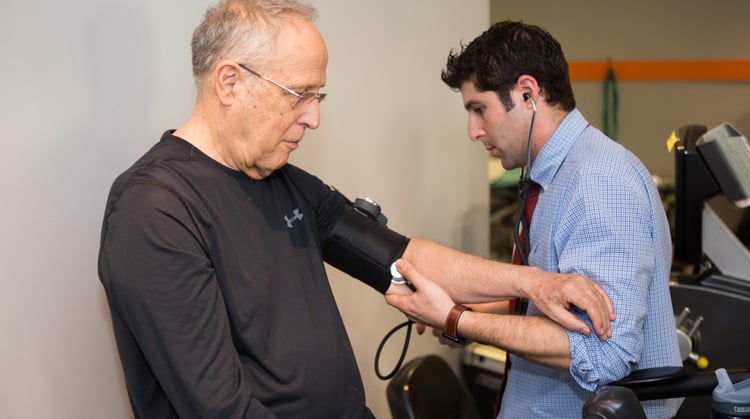
Your physical therapist will work with you and other members of your health care team to address problems caused by heart disease or heart failure.
Your physical therapy treatment plan will include a personalized exercise program and prescribed movement. This program will help you decrease the signs and symptoms of heart disease and/or failure. It also will improve your ability to take part in home, work, and other activities. Research shows that physical activity and exercise can improve your ability to be active, enhance your quality of life, and reduce your risk of a hospital stay. Regular physical activity also is linked to a lower risk of death from heart disease.
Your treatment plan may include:
Education. Your physical therapist will educate you on physical activity and exercises that are safe for you to do. They also will design a personalized exercise program and teach you how to increase your exercise capacity. Education may include recommendations for lifestyle changes and self-management behaviors. They also may teach you about any signs and symptoms to watch out for. Your physical therapist may refer you to other health care providers as needed.
Aerobic endurance. People with heart disease or heart failure are at risk for decreased exercise tolerance and endurance. Your physical therapist will help you increase your aerobic endurance through monitored exercise. They also will develop a home exercise program based on your needs and goals. Research shows that an aerobic exercise program:
- Improves quality of life.
- Helps to decrease hospital admissions.
- Improves performance on walk tests.
- May reduce the risk of death in some people.
Aerobic exercise can be achieved in many forms, including:
- Walking.
- Cycling.
- Treadmill walking.
- Dancing.
Muscle strengthening. Strength training is important to overall health. Doing strength training will help you perform functional activities and maintain or improve your overall strength. Research shows that exercise is safe and effective for most patients with heart disease.
Your physical therapist will work with you to determine the appropriate amount and intensity of your exercise training. They will design a safe, personalized program based on your unique needs and goals.
Improving your ability to breathe during activity. Research shows that strengthening the muscles that aid breathing can improve exercise tolerance in people with heart failure. Your physical therapist will assess your muscles and ability to breathe during physical activity and design an exercise program for your condition.
Can This Injury or Condition Be Prevented?
The best way to prevent heart disease and heart failure is to maintain a healthy lifestyle and decrease your risk factors. It is important to be physically active, to exercise, and to adopt healthy habits. Regular physical activity and exercise can:
- Decrease blood pressure and cholesterol levels.
- Reduce your risk of an initial cardiac event (a heart attack).
- Benefit your physical, mental, and social health.
- Helps to improve other chronic conditions, such as diabetes, obesity, depression, and some cancers.
Increased muscle strength also can lower your risk of having a heart attack and improve your ability to do everyday activities.
The American Heart Association and the U.S. Department of Health and Human Services recommend that, for substantial health benefits, adults ages 18 to 64, with and without chronic health conditions, should do at least one of the following:
- 150 minutes a week of moderate-intensity exercise (such as walking).
- 75 minutes a week of vigorous-intensity exercise (such as running or jogging).
You can decrease your risk of developing heart disease by reducing other risk factors through the following actions:
- Choose a healthy diet full of fruits, vegetables, fish, and fiber-rich whole grains. The American Heart Association’s guide, How to Help Prevent Heart Disease at Any Age, provides additional information.
- Stop smoking.
- Maintain your weight at a healthy level.
- Manage diabetes so that blood sugars remain stable.
If you have heart disease or heart failure, your physical therapist can help you stay as healthy as possible and slow the progression of the disease.
Cardiac rehabilitation (cardiac rehab) is a program designed for patients who are recovering from a heart attack, heart disease, heart failure, or heart surgery. It delivers a personalized exercise program, recommendations for lifestyle changes, and patient education. The goal of cardiac rehab is to manage cardiovascular risk factors and improve healthy behaviors to lower your risk of future cardiovascular events.
Participating in an outpatient cardiac rehab program has been shown to:
- Decrease cardiovascular risk factors.
- Reduce disability.
- Promote healthy lifestyle habits, including increased physical activity.
What Kind of Physical Therapist Do I Need?
All physical therapists are prepared through education and experience to help you manage cardiovascular disease. You may want to consider:
- A physical therapist who is experienced in treating patients who have had a heart attack or who are diagnosed with heart disease or heart failure.
- A physical therapist who is a board-certified cardiovascular and pulmonary clinical specialist or who completed a residency in cardiovascular and pulmonary physical therapy. This physical therapist will have advanced knowledge, experience, and skills that may apply to your condition.
You can find physical therapists near you with specific experience or expertise using the American Physical Therapy Association’s Find a PT tool.
General tips when you're looking for a physical therapist (or any other health care provider):
- Ask family, friends, or other health care providers to recommend a physical therapist.
- Ask about the physical therapists' experience in helping people like you when you contact the clinic for an appointment.
- Be prepared to describe your symptoms in as much detail as possible. Make a note of what makes your symptoms better or worse.
The American Physical Therapy Association believes consumers should have easy access to clear, reliable information that helps them make informed health care decisions and feel prepared for visits with their providers.
These resources offer the latest scientific evidence on the physical therapy treatment of heart disease and heart failure. They cover recent research and standards of practice in the United States and globally. Whenever possible, they link to PubMed* abstracts (some of which offer free full-text access) or to other resources. Read these materials to learn more or share them with your health care provider.
Mi MY, Perry AS, Krishnan V, Nayor M. Epidemiology and cardiovascular benefits of physical activity and exercise. Circ Res. 2025;137(2):120-138. doi:10.1161/circresaha.125.325526. Article Summary in PubMed.
Hennawi HA, Bedi A, Khan MK, Zohaib M, Khan IA, Mazzoni JA. Impact of exercise training on clinical outcomes and quality of life in chronic congestive heart failure: A systematic review and meta-analysis. Curr Probl Cardiol. 2024;49(10):102756. doi:10.1016/j.cpcardiol.2024.102756. Article Summary in PubMed.
American College of Sports Medicine. ACSM's Guidelines for Exercise Testing and Prescription. 12th ed. Philadelphia, PA: Wolters Kluwer; 2025.
Shoemaker MJ, Dias KJ, Lefebvre KM, Heick JD, Collins SM. Physical therapist clinical practice guideline for the management of individuals with heart failure. Phys Ther. 2020;100(1):14–43. Article Summary in PubMed.
American Heart Association. What is Cardiovascular Disease? www.heart.org. https://www.heart.org/en/health-topics/consumer-healthcare/what-is-cardiovascular-disease. Accessed April 17, 2026.
National Heart Lung and Blood Institute. Heart attack. https://www.nhlbi.nih.gov/health-topics/heart-attack. Accessed April 17, 2026.
Martin SS, Aday AW, Allen NB, Almarzooq ZI, et al. 2025 Heart disease and stroke statistics: a report of US and global data from the American Heart Association. Circulation. Published online Jan. 27, 2025. Accessed April 12, 2026. Article Summary on PubMed.
American Heart Association. How to Help Prevent Heart Disease At Any Age. Reviewed September 23, 2024. Accessed April 15, 2026.
Heidenreich PA, Bozkurt B, Aguilar D, et al. 2022 AHA/ACC/HFSA Guideline for the Management of Heart Failure: Executive Summary: A Report of the American College of Cardiology/American Heart Association Joint Committee on Clinical Practice Guidelines. J Am Coll Cardiol. 2022;79(17):1757-1780. Article summary in PubMed.
*PubMed is a free public website run by the National Library of Medicine. It allows people to access summaries and references from health research articles published in scientific journals, including those indexed in MEDLINE.
Expert Review:
Apr 17, 2026
Revised:
Jul 17, 2026
Content Type: Guide
Heart Disease and Heart Failure
PT, DPT, board-certified clinical specialist in cardiovascular and pulmonary physical therapy, on behalf of the APTA Academy of Cardiovascular & Pulmonary Physical Therapy
Malinda Crowell
PT, DPT, Board-Certified Clinical Specialist in Geriatric Physical Therapy
Rebecca Johnson
PT, DPT, Board-Certified Clinical Specialist in Cardiovascular and Pulmonary Physical Therapy, on behalf of the APTA Academy of Cardiovascular & Pulmonary Physical Therapy
You Might Also Like...

Health Tips
9 Things Your Physical Therapist Wants You To Know About Aging WellWith the right type and amount of physical activity, we can help stave off many age-related health problems. These nine tips from physical therapists will

Article
Cardiovascular and Pulmonary Physical TherapyLearn about the knowledge, experience, and expertise of physical therapists who focus on or specialize in cardiovascular and pulmonary physical
Did You Know?
Care Plus Physical Therapy for Claudication Outperforms Typical Care AlonePatients and referring providers have another reason to choose or recommend physical therapy to claudication according to a report by the American Physical