If moving on land feels hard or painful, you’re not alone. Everyday activities like walking, bending, or standing can become hard after an injury, surgery, or because of long-term conditions.
The good news is that aquatic physical therapy can help.
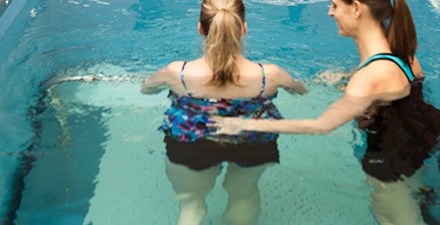
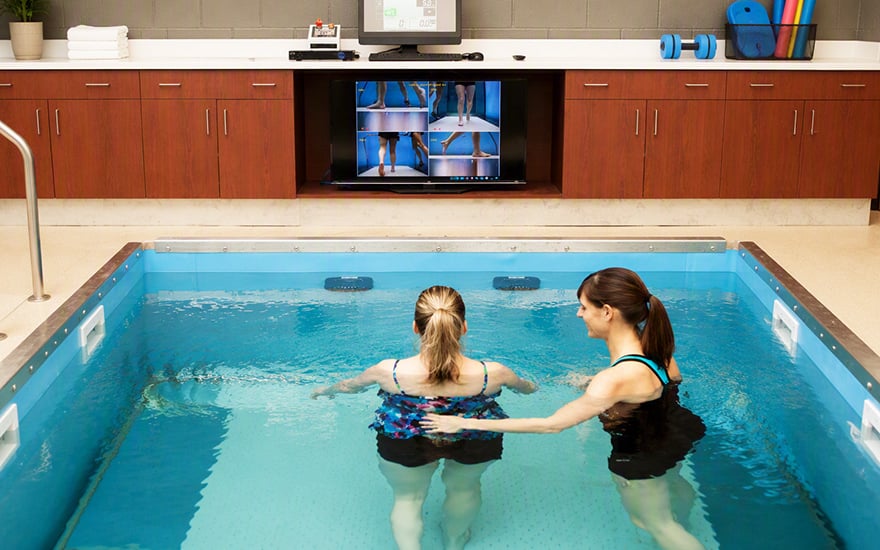
Aquatic physical therapy, also called water-based physical therapy, uses exercises in a pool. It helps people recover from injuries, reduce pain, and improve movement. Because water supports the body, it puts less stress on your joints. This can make exercise feel more comfortable. It may be especially helpful for people who find land-based exercise painful or difficult.
Aquatic physical therapy is a safe, effective treatment. It can help many people, including:
- Older adults
- Children with movement challenges
- People recovering from injury or surgery
- Those living with chronic health conditions that affect movement
For many people, exercising in water feels easier than exercising on land. Aquatic physical therapy can help improve strength, balance, mobility, and confidence with movement.
This article breaks down what aquatic therapy is, how it works, who it can help, and what to expect during treatment.
What Is Aquatic Physical Therapy?
Aquatic physical therapy is more than exercise in a pool.
Unlike water aerobics classes or swimming laps, aquatic physical therapy is personalized treatment provided by a licensed physical therapist. Your physical therapist designs a program based on your specific needs, symptoms, and goals.
Aquatic physical therapists are experts at using the unique properties of water, such as buoyancy and resistance, to help you:
- Build strength
- Improve balance
- Improve mobility (move more easily)
- Increase endurance and fitness
For many people, water makes it easier to practice movements that may be painful or difficult on land.
Your physical therapist will create a treatment plan just for you. Sessions may include:
- Gentle movements to improve range of motion (how far you can move a joint)
- Strengthening exercises using water resistance
- Balance and walking activities
- Aerobic exercise to improve heart and lung health
- Activities to improve coordination, posture, and movement control
- Relaxation or stretching exercises in warm water
How Aquatic Physical Therapy Helps Your Body
Water offers unique benefits that can make exercise feel safer and more comfortable.
Because water supports part of your body weight, it reduces stress on joints. This often allows people to begin exercise therapy or recovery sooner. Many people can also exercise with greater intensity than they can comfortably on land.
As a result, aquatic physical therapy can help improve:
- Strength
- Endurance
- Balance
- Mobility
- Overall function
Buoyancy (Water Helps Support Your Body)
Buoyancy is the force that helps your body float. It reduces the effects of gravity and makes weight-bearing activities easier to do than on land. This can be especially helpful for people who have joint pain with movement or exercise, are not yet able to fully bear weight, or have weakness, balance problems, or other mobility limitations. Buoyancy:
- Reduces stress on your joints.
- May make movement easier and less painful.
- Helps people improve their balance and stability, which can reduce the risk of falls.
Many people find they can practice movements in water that are too painful, difficult, or even impossible on land.
Natural Resistance: A Safe Way to Build Strength
Whenever you move through water, the water "pushes back" against your body. This provides a gentle resistance in every direction as you move. Water resistance can be used to:
- Help strengthen your muscles and improve endurance
- Reduce the need for heavy weights
- Lower the impact on your joints
- Control how hard you work by changing your speed and movement
In water, it is also easy to adjust how hard you work. Moving faster creates more resistance. Moving slower creates less.
This makes aquatic physical therapy a good option for people at many fitness and recovery levels.
Hydrostatic Pressure (Water's Gentle Support)
Hydrostatic pressure is the gentle, even pressure water places on your body. It can feel like wearing a natural compression sleeve while you're in the pool. This pressure can help:
- Reduce swelling
- Improve circulation (blood flow)
- Increase stability during movement
This extra support can make exercise feel more comfortable and secure.
Warm Water Can Improve Comfort
Many therapy pools are heated to a comfortable temperature. Warm water may:
- Relax tight muscles and reduce muscle tension
- Reduce stiffness
- Ease discomfort during exercise
- Help you move more freely
Many people find warm water makes physical therapy feel more comfortable and easier to stick with.
What Conditions Can Aquatic Physical Therapy Help Treat?
Aquatic physical therapy can help many people — especially those who find movement on land painful or difficult.
It’s often used for:
- Arthritis and joint pain
- Fibromyalgia
- Back pain
- Children with developmental or neuromuscular conditions
- People with obesity or deconditioning who have difficulty exercising on land
- Joint replacement recovery
- Balance problems and falls prevention, especially in older adults
- Neurological conditions, such as stroke, Parkinson's disease, multiple sclerosis, spinal cord injury, and traumatic brain injury
- Sports injuries
Aquatic physical therapy may also be a valuable treatment option for older adults, children with movement challenges, and people who need additional support to move safely.
Research suggests that aquatic physical therapy can help reduce pain and improve movement, balance, and daily activities for many people. Studies have found benefits for people with arthritis, fibromyalgia, chronic pain, and some neurological conditions. However, results vary from person to person, and a physical therapist can determine if aquatic therapy is appropriate for your needs.
What to Expect During a Session
If you’ve never tried aquatic physical therapy, you might wonder what to expect.
Here’s what a typical visit might include:
- Entering a therapy pool. Many therapy pools are warm to help reduce pain and stiffness. For sports rehabilitation or higher-intensity exercise, water may be kept cooler.
- Walking forward, backward, or sideways in water.
- Doing gentle arm and leg movements.
- Using equipment like:
- Foam noodles
- Float belts
- Water dumbbells
A typical session may include a warm-up, therapeutic exercises, and a cool-down, with the length and intensity tailored to your abilities and treatment goals.
Your physical therapist will choose activities based on your condition, abilities, and goals, and adjust them as you make progress.
How Does Aquatic Physical Therapy Differ From Water Exercise Classes?
Water aerobics classes and recreational swimming can be great ways to stay active and improve fitness. However, they are not individualized rehabilitation programs designed to address a specific injury, condition, or movement challenge.
Aquatic physical therapy:
- Is provided by a licensed physical therapist or physical therapist assistant.
- Addresses specific rehabilitation needs such as:
- Recovery from injury or surgery
- Improving strength and balance
- Improving endurance and cardiovascular fitness
- Addressing different movement patterns
- Starts with an evaluation and creates a treatment tailored to your needs and goals
- Focuses on healing, recovery, and safe movement, not just fitness.
- Uses evidence-based exercises and treatment techniques
- Progresses activities based on your symptoms, function, and progress
Is Aquatic Physical Therapy Safe?
Aquatic physical therapy is safe for many people when provided by a licensed physical therapist in an appropriate setting. However, it may not be appropriate for everyone.
Safety tips:
- Check with your physical therapist or another health care provider if you have questions about whether aquatic therapy is right for you.
- Work with a licensed physical therapist who can assess your needs and monitor your progress.
- Avoid entering the pool if you have open wounds, certain infections, or other conditions that may make pool use unsafe.
- Follow basic pool safety practices, including using clean, well-maintained facilities and appropriate supervision.
- Your physical therapist can determine whether aquatic physical therapy is a safe option for you and modify your program based on your health needs and goals.
How a Physical Therapist Can Help
A physical therapist will evaluate your movement and health needs before developing a personalized treatment plan. This can include assessing your:
- Movement
- Strength
- Mobility and balance
- Pain levels
- Endurance
- Personal goals
Your treatment plan may include:
- Gentle movement and exercises to reduce pain and stiffness
- Strengthening exercises using the natural resistance of water or aquatic equipment
- Activities to improve balance and walking
- Activities to improve your endurance and overall fitness
- Strategies to manage pain or improve comfort during activities (such as breathing or relaxation exercises)
As you improve, your physical therapist may gradually increase how challenging your exercises are and help you transition to land-based activities when appropriate. They may also introduce new activities as you improve.
The goal is simple: to help you move better, feel better, and return to the activities that matter most to you.
Common Questions About Aquatic Physical Therapy
“Do I need to know how to swim?”
No. Most sessions happen in shallow water, and your physical therapist will be there to support you.
“Will it hurt?”
Many people report feeling more comfortable with exercises in water compared to on land. If something hurts, your physical therapist can adjust your plan.
“How long before I feel better?”
This varies based on your condition, goals, and overall health. Many people notice improvements in comfort or mobility fairly quickly, while lasting changes take time and consistency.
"What if I'm nervous about being in the water?"
Not everyone has experience in a pool. Most aquatic physical therapy sessions take place in shallow water, and your physical therapist will stay nearby to help you feel comfortable and safe.
"What can I do today?"
- Talk to a physical therapist if movement feels hard or painful.
- Consider aquatic physical therapy if land movement or exercise feels too difficult.
- Start small — even gentle water movement can help.
- Stay consistent. Progress comes with regular practice.
Final Thought
If pain, stiffness, or mobility challenges are holding you back, aquatic physical therapy may help you move forward. With the support of the water and the guidance of a physical therapist, you can improve movement, build confidence, and return to the activities that matter most to you.
Physical therapists are movement experts who help people reduce pain, move better, and stay active through hands-on care, education, and exercises tailored to their needs. They also work with people to prevent injury and support long-term health and performance. You can see a physical therapist directly – no referral needed – for an evaluation and a personalized treatment plan.* To find a physical therapist in your area, visit Find a PT.
*Your insurance plan may still require a referral. In some states, there may be limits on how long or what type of care you can receive without one.
Additional Resources
- APTA Academy of Aquatic Physical Therapy Fact Sheets
- National Center on Health, Physical Activity and Disability
- Video: The Benefits of Aquatic Therapy