
How direct access to physical therapy leads to greater patient satisfaction
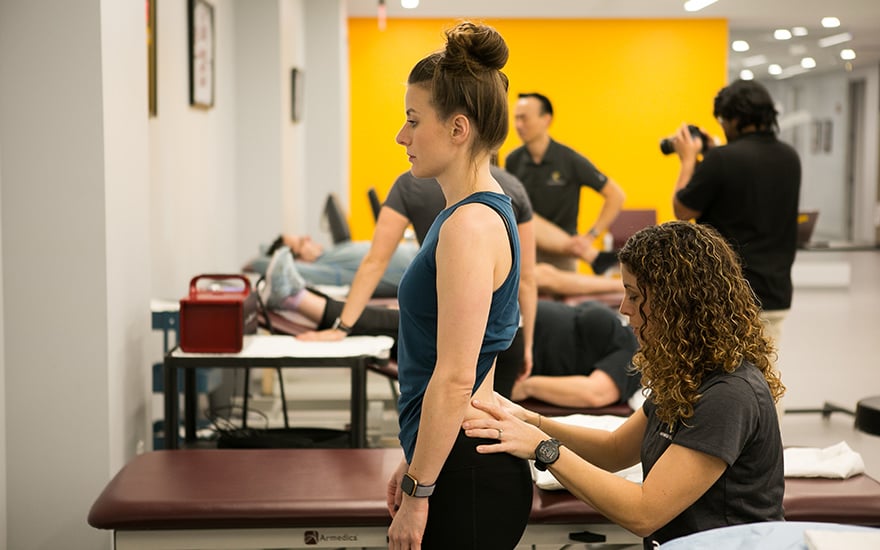
If you’ve ever dealt with back pain, a sore knee, or a stiff shoulder, you may have wondered: Do I have to see a doctor first, or can I go straight to a physical therapist?
Good news: In every U.S. state and the District of Columbia, you can go straight to a physical therapist without a physician’s referral.* This is called direct access. Decades of research shows that seeing a PT first is safe, effective, can reduce the need for medication, and saves money. In fact, it’s often the best first step for your health, your wallet, and your peace of mind.
A new report from the American Physical Therapy Association highlights why more people are choosing physical therapy first. Getting the right care early — care that focuses on guided movement— can transform your recovery and lead to better results.
1. Physical Therapy Is Safe — Extremely Safe
One of the biggest myths is that skipping the doctor’s referral could be risky. But the evidence clearly shows otherwise. Across multiple studies, findings included:
- No increase in adverse events was found when patients saw a PT first.
- Zero patients reported harm among tens of thousands of direct physical therapy visits in large health systems, universities, and military clinics.
- No significant clinical errors in PT decisions were reported by orthopedic surgeons.
Why? Physical therapists are highly trained in how joints, muscles, bones, and nerves work together in human movement. Today’s PTs graduate with a clinical doctorate, or DPT degree. They receive more than 3,000 hours of education and clinical training, including medical screening. They’re trained to diagnose and treat many conditions. Physical therapists also know when symptoms or a condition require referral to a physician.
2. Physical Therapy Helps You Feel Better Faster
When pain strikes, waiting weeks for an appointment can delay recovery or make symptoms worse.
Research shows that patients who go directly to a PT experience:
- Shorter wait times.
- Faster improvements in function.
- Lower recurrence of pain, especially for conditions like low back pain.
- Greater satisfaction with their care.
In fact, patients with severe low back dysfunction improved more when they saw a PT first. They also used fewer medications and reported better overall results.
3. Physical Therapy Saves You Money and Time
Health care costs are rising, but physical therapy is still a smart, high-value option for recovery. It helps people heal effectively and often reduces the need for expensive tests or specialist visits. Seeing a physical therapist first can mean:
- Fewer physical therapy appointments during one episode of care (the period between when someone first seeks care and when they stop or are discharged).
- Fewer expensive imaging tests and fewer specialist visits.
- Lower total out-of-pocket costs for many patients (exact savings depend on your insurance plan).
- Lower total costs across nearly every condition studied, with an average savings of $1,500–$1,800 for total health dollars spent per episode of care.
Many people assume they’ll need an MRI, injections, or even surgery. But getting physical therapy often helps people avoid those steps. It can reduce the need for unnecessary imaging, cut down on the need for pain medicines. Early physical therapy can even help some people avoid costly surgeries or injections altogether.
4. Physical Therapy Helps Prevent Long-Term Opioid Use
With the ongoing opioid crisis, finding safer options for managing pain is critical. Study after study found:
- Patients who saw a PT first were far less likely to be prescribed opioids.
- Early physical therapy reduced both short-term and long-term opioid use.
- For conditions like knee and low back pain, delays in seeing a physical therapist increased the risk of later opioid dependence.
- Physical therapy helps patients manage pain through movement, education, and strength — not medication.
5. Physical Therapists Use Medical Resources Wisely
Some people worry that PTs might overuse imaging or miss important diagnoses. In reality, the opposite is true, and the data shows that:
- PTs were more likely than primary care providers to follow national imaging guidelines.
- When PTs ordered imaging, radiologists found it was appropriate in 80–90% of cases.
- PTs can diagnose many conditions and are trained to screen for any medical conditions. They will quickly refer you to other specialists if your symptoms or condition require medical follow-up to ensure you get the right care when you need it.
6. Patients Love Direct Access — And Providers Do Too
Direct access isn’t just effective — it’s popular. Here’s how the perceptions stack up:
- Patients report higher satisfaction when they see a PT first.
- Many physicians in team-based settings endorse direct access to physical therapy as safe, efficient, and helpful.
- PTs report feeling more satisfied with their work when they can help you right away so you can make progress sooner.
So, Why Isn’t Everyone Doing It?
Awareness is still a major barrier. Many people just don’t know they can see a PT first without a referral from their physician. And some health systems and insurers still have outdated policies that require a referral after a certain number of physical therapy visits or for certain treatments, even though the evidence shows that such referral requirements slow care and increase costs.
What It Means for You
If you’re dealing with pain, mobility issues, an overuse injury, or a chronic condition — or simply want to invest in your long-term health and independence — physical therapy can help you at every step:
- You can see a physical therapist directly for evaluation and treatment.
- You don’t need to wait for a referral in most cases*.
- You’ll likely get better faster and it could cost you less overall.
- You’ll receive safe, science-backed care supported by decades of research.
The bottom line: Direct access gives you control over your health — and helps you start healing sooner.
Physical therapists are movement experts. They improve quality of life through hands-on care, patient education, and prescribed movement. If you or someone you know is dealing with a movement problem, spine or knee pain, or other musculoskeletal concern, a physical therapist is your best first step to getting the right care quickly. You can search Find a PT, APTA’s national directory of licensed physical therapists for direct access near you.
*Certain insurance plans may still require a referral. Some states may limit the duration or type of treatment that can be provided without one.