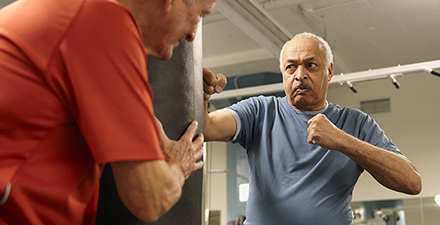
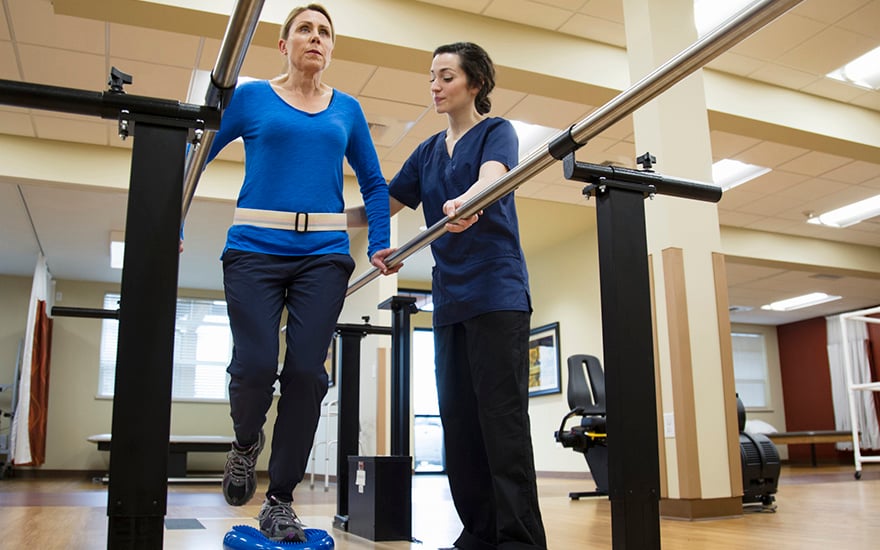
If pain, injury, illness, or surgery is making it harder to do the things you love, physical therapy can help. It can do more than ease symptoms. It can help you move better and get back to the activities you enjoy.
Research shows that physical therapy can reduce pain, improve movement, and help people get back to the activities they enjoy. Physical therapy has been shown to help many people move better, improve function, and stay active or return to meaningful activities across a wide range of conditions, such as back pain, arthritis, stroke, Parkinson's disease, and more. It also helps people recover after surgery or injury.
Best of all, physical therapy care is tailored to you. Your goals, daily activities, and health all help shape a treatment plan designed around your needs.
Physical therapists use movement assessment, patient education, hands-on care, exercise, and other treatment strategies to help people recover, manage symptoms, and stay active.
A physical therapist works with you to create a plan that fits your needs and supports your goals.
Finding Relief from Back Pain
Back pain is one of the most common reasons people seek medical care. It is also one of the leading causes of disability around the world.
Research shows that physical therapy and exercise can help people with chronic low back pain move more easily and do daily activities with less pain. Evidence suggests that people who take an active role in recovery through exercise and movement often achieve better long-term outcomes than those who rely primarily on passive treatments.
A physical therapist can help you:
- Improve flexibility and mobility
- Strengthen muscles that support your spine
- Learn safer ways to move during daily activities
- Build confidence in movement without fear of making pain worse
Physical therapy can help you manage back pain through education, movement strategies, hands-on care, and exercise tailored to your needs.
Improving Quality of Life with Arthritis
Arthritis can make simple daily activities harder. Walking, climbing stairs, or getting up from a chair may become painful. Chronic pain (that lasts for more than 3 months) can mean missing the moments that matter.
Research shows that physical therapy can help reduce arthritis pain, improve movement, and make daily tasks easier. Treatment may include exercise, education, and movement strategies tailored to your needs.
Physical therapy can help you:
- Move more comfortably
- Improve strength and joint support
- Increase flexibility
- Stay active and independent
Many people are surprised to learn that movement can help relieve arthritis symptoms rather than make them worse.
Regaining Independence After a Stroke
A stroke can affect how you walk, move, balance, and take care of daily tasks.
Studies show that physical therapy after a stroke can improve mobility, walking, and independence. Research suggests that participating in rehabilitation as soon as it is medically appropriate and continuing with physical therapy can improve recovery and function after stroke.
Physical therapists help people recover after a stroke by:
- Relearning movement skills
- Building confidence during everyday tasks
- Practicing walking and balance activities
- Improving strength and endurance
Recovery is different for everyone, but physical therapy can help people regain skills and stay active in daily life.
Staying Active with Parkinson's Disease
Parkinson's disease can affect walking, balance, and everyday movement. Many people notice slower movements, changes in posture, or difficulty with activities that once felt easy.
Exercise and physical therapy can improve mobility, balance, walking speed, movement, and quality of life for people with Parkinson's disease. Staying active can help manage symptoms and support independence.
A physical therapist can help you:
- Improve balance and mobility, which may help reduce the risk of falls
- Increase strength and flexibility
- Improve walking and movement confidence
- Practice strategies for everyday activities
- Support independence and participation in daily activities
Exercise programs are tailored to your goals and needs. They can also teach movement strategies that make daily activities feel easier and safer.
Improving Balance and Preventing Falls
Falls and balance problems can happen to anyone, but they become more common as we get older. A fall can lead to injury, loss of confidence, and difficulty doing everyday activities.
Falls are not a normal part of aging, and many can be prevented. Studies have found that physical therapy that's focused on balance, strength, and movement can lower the risk of falling. It can also help people stay active and independent.
Physical therapists can identify factors that may increase your risk of falling, such as weakness, balance problems, dizziness, or changes in the way you walk.
A physical therapist may recommend strategies to:
- Improve balance and stability
- Build leg and core strength
- Improve walking and movement confidence
- Safely move at home and in the community
- Identify fall hazards in your daily environment
- Stay active based on your needs and abilities
Research shows that balance training can reduce the risk of falls and help older adults stay independent.
Whether you have noticed changes in your balance, experienced a fall, or want to stay active as you age, physical therapy can help you move with greater safety and confidence.
Improving Bladder Control and Pelvic Health
Pelvic floor disorders, such as urinary incontinence, can affect people of all ages. They are especially common during and after pregnancy, after certain surgeries, and as people age. Symptoms may include bladder leakage, a strong urge to urinate, pelvic pain, or difficulty controlling bowel movements.
Research shows that pelvic floor muscle training and other physical therapy treatments can improve symptoms and quality of life for many people with urinary incontinence and other pelvic floor conditions.
Pelvic health physical therapists can assess your symptoms and design a program for your specific needs.
Physical therapy can help you:
- Improve bladder and bowel control
- Reduce urinary leakage
- Strengthen or relax pelvic floor muscles as needed
- Return to exercise and daily activities with greater confidence
- Learn healthy bladder and bowel habits
Many people think bladder leakage is a normal part of aging, pregnancy, or childbirth. It isn’t, and the good news is that physical therapy can often help improve symptoms and quality of life.
Finding Relief from Dizziness and Vertigo
Feeling dizzy, unsteady, or like the room is spinning can make everyday life difficult. These symptoms can affect your ability to walk, drive, work, exercise, or enjoy time with family and friends.
Research shows that vestibular rehabilitation can reduce dizziness, improve balance, and help people return to daily activities.
Physical therapy can help people with:
- Benign paroxysmal positional vertigo, or BPPV, a common cause of brief spinning sensations
- Vestibular neuritis and labyrinthitis (inner ear conditions that can cause sudden dizziness)
- Persistent dizziness or balance problems
- Balance issues related to aging
- Concussion-related dizziness
A physical therapist can help you:
- Reduce dizziness and feelings of motion sensitivity
- Improve balance and stability while standing and walking
- Build confidence in movement and daily activities
- Lower your risk of falls
- Return to work, exercise, and other activities you enjoy
Treatment depends on the cause of your symptoms. Your physical therapist may guide you through specific movements and exercises to improve balance and reduce dizziness. These techniques can help your brain adjust to movement and visual information.
Many people see real improvements in dizziness, balance, and the ability to do daily activities with the right treatment. For some causes of vertigo, such as BPPV, symptoms can improve quickly with a few targeted treatment sessions. For others, gradual improvements occur over time with guided exercise and practice.
If dizziness or balance problems are limiting your daily life, physical therapy may help you move with greater comfort, confidence, and safety.
Getting Back to the Activities You Love
Whether you're recovering from an injury or surgery, or living with a long-term condition, you can regain strength and confidence and get back to the activities you enjoy.
Research shows that guided exercise and active rehabilitation can improve strength, flexibility, movement, and overall function. Physical therapists help people recover from conditions such as sports injuries, joint pain, ligament tears, and joint replacement surgery.
Physical therapy can help you:
- Reduce pain and stiffness
- Improve strength and flexibility
- Restore balance and movement
- Safely return to work, sports, and other activities
It's not just for athletes or people recovering from injuries. Physical therapy can also help prevent and address movement problems early and support long-term health, independence, and quality of life.
Why Your Treatment Plan Should Be Personalized
No two people experience pain, injury, or recovery in the same way.
Your age, health history, goals, and symptoms all affect your care. That's why your physical therapist creates a treatment plan tailored to your needs and updates it as you improve.
Patient Education: An Important Aspect of Recovery
Physical therapy involves more than exercise. Understanding your condition and learning how to manage it can help you recover and stay active.
Your physical therapist can teach you how to:
- Manage symptoms safely
- Stay active during recovery
- Prevent future problems
- Continue making progress at home
The more you understand your condition and body, the more confident you can be in your recovery.
Getting Help Early
Research suggests that early physical therapy may help some people return to daily activities sooner. Studies have shown that physical therapy may also reduce the need for additional healthcare services, such as imaging, injections, surgery, or opioid medications, particularly for some musculoskeletal conditions.
For example, early physical therapy for acute low back pain is linked to lower odds of:
- Expensive advanced imaging that may not be needed
- Recurring physician visits
- Injections
- Surgery
- Overall healthcare spending
Physical therapists can also help identify movement problems early and provide strategies to help prevent future injuries.
The Bottom Line
Research shows that physical therapy is effective for many conditions and can help reduce pain, improve movement, restore function, and support long-term health.
Whether you're recovering from an injury or surgery, managing a chronic condition, or working to prevent future problems, physical therapy can help you stay active and participate in the activities that matter most.
Because physical therapy is built around your needs and goals, it can help you stay active and return to engaging in the activities that matter most to you.
What You Can Do Today
If pain, weakness, balance problems, or an injury are making daily activities more difficult, consider seeing a physical therapist.
Physical therapists are movement experts who help people improve quality of life through hands-on care, patient education, personalized treatment plans, and prescribed movement. They also help prevent injury and support long-term health and independence. You can see a physical therapist directly without a physician referral.* The Find a PT directory can help you locate a physical therapist near you.
*Certain insurance plans may require a referral. Some states may limit the type or duration of treatment without a referral.